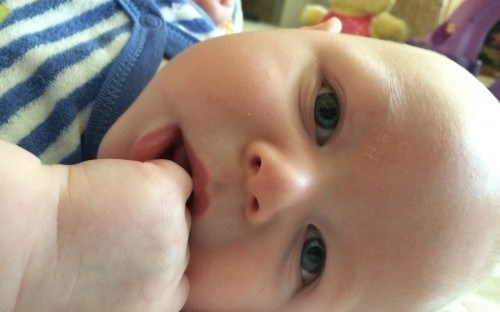
I Spy

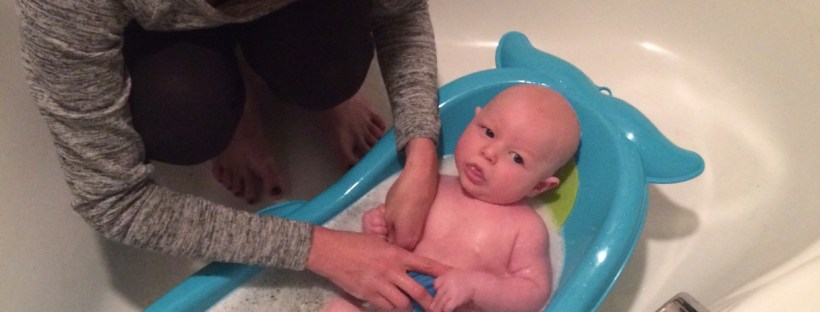
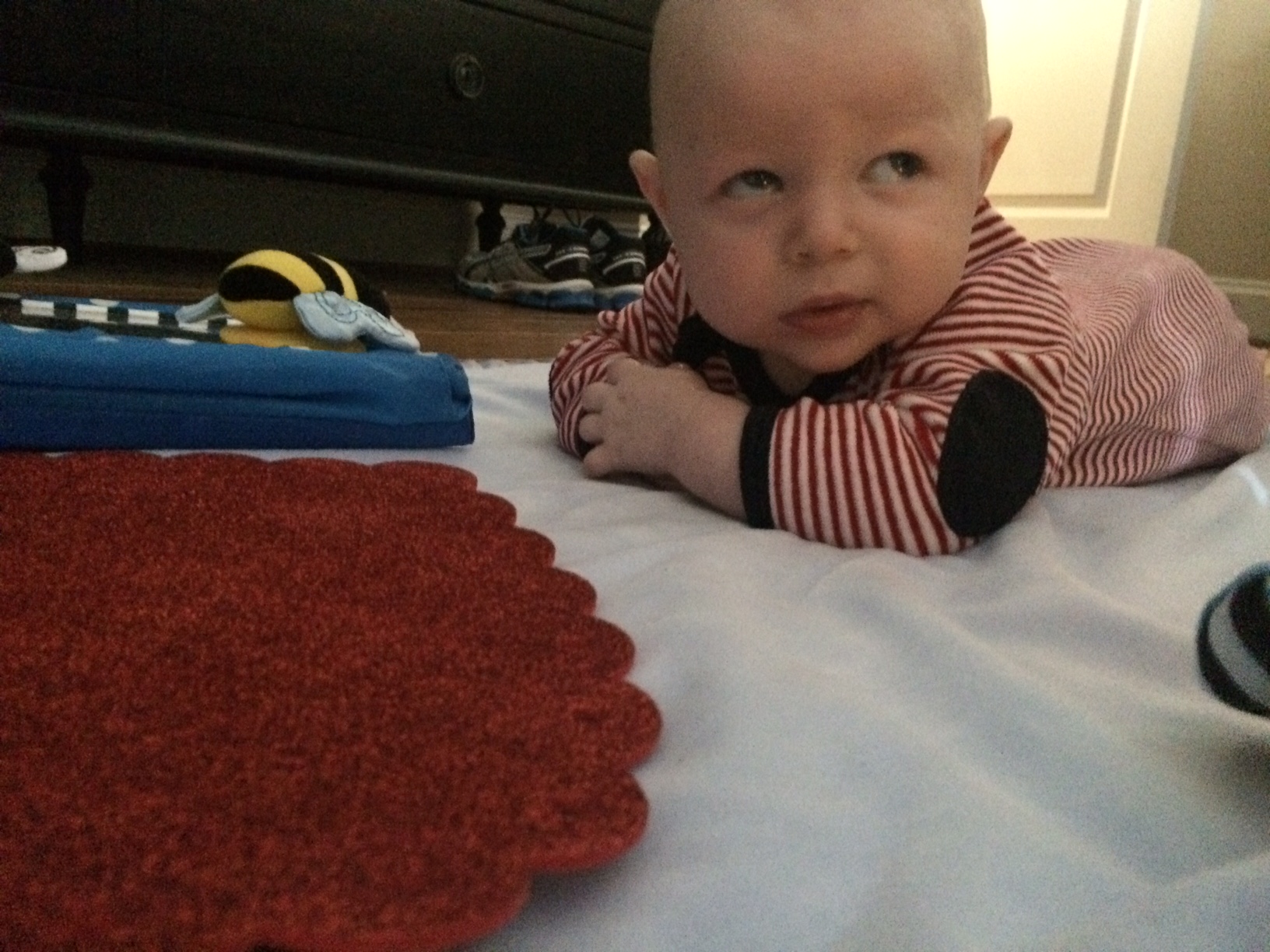
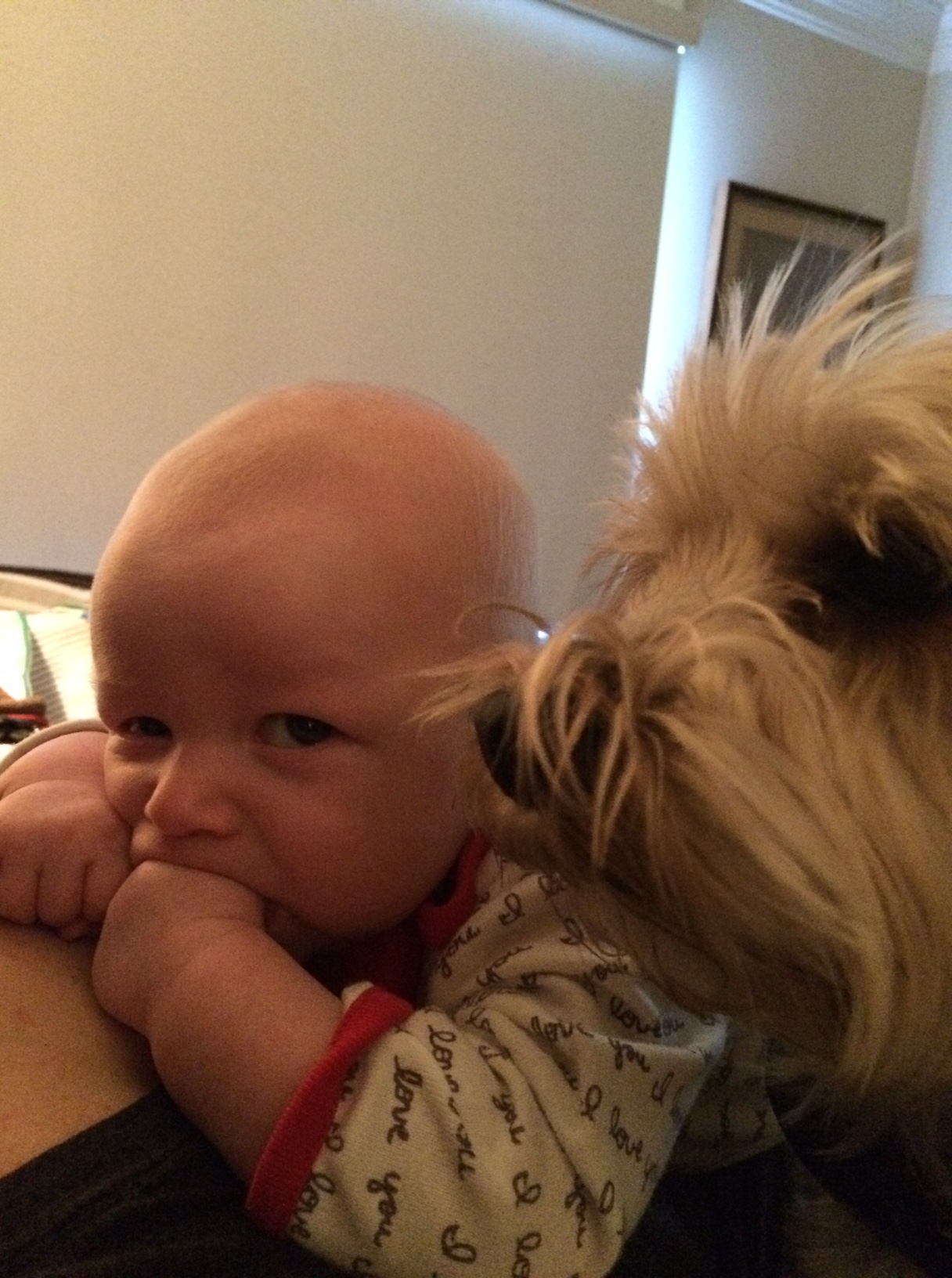
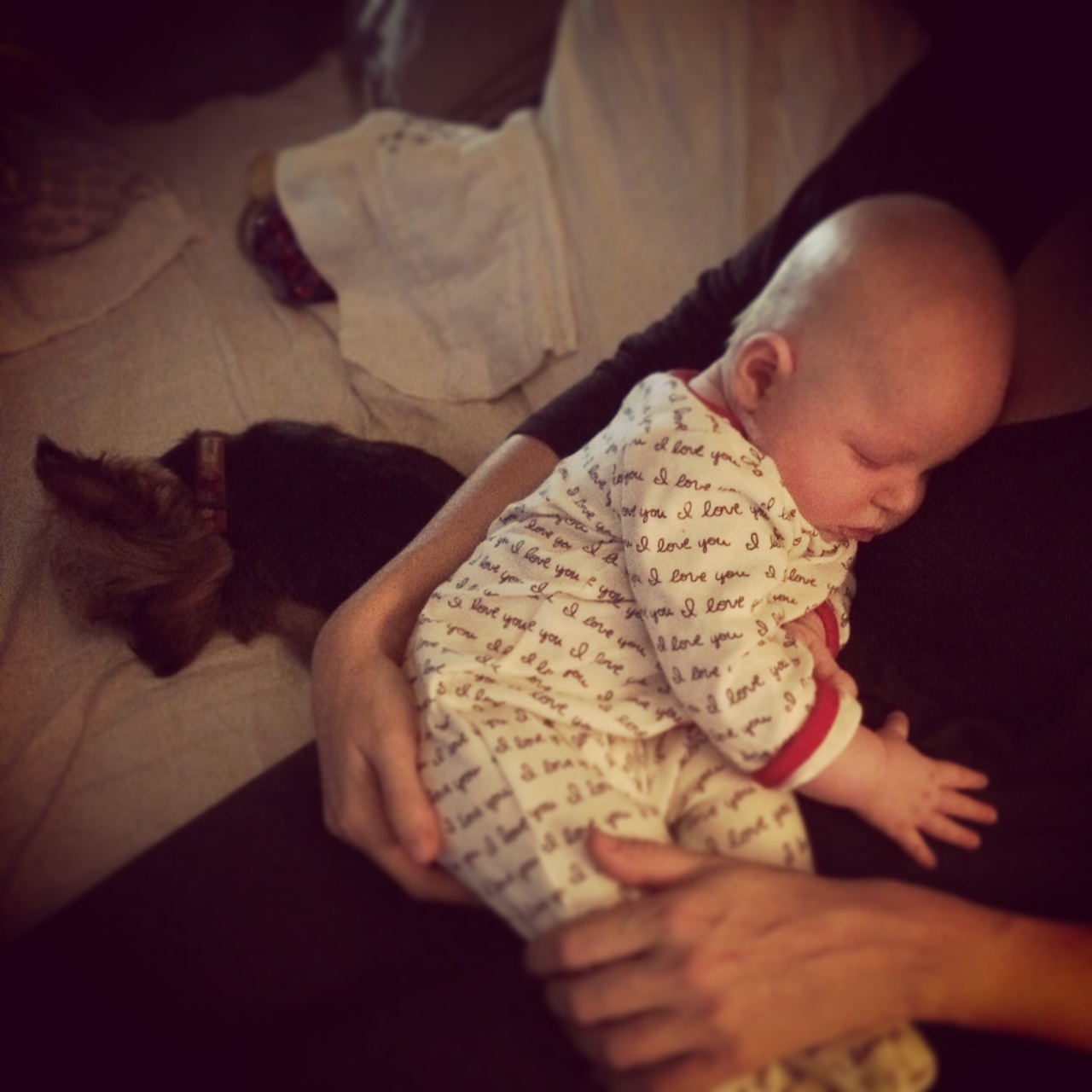
I spy with my little eye someone who loves to smile!
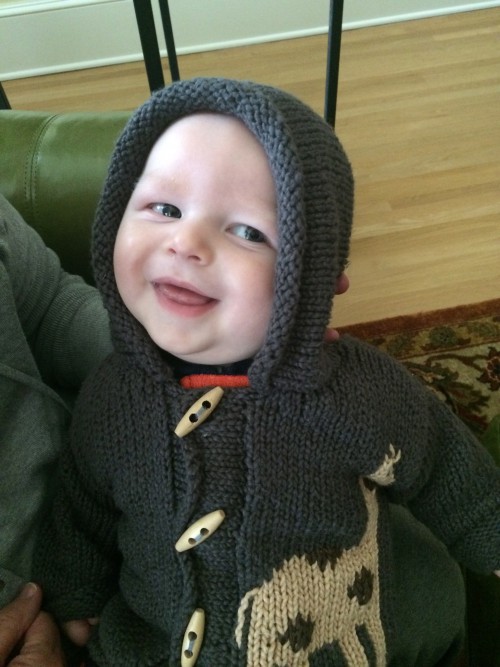
IMG_1985

And speaking of eyes, we finally have a firm grasp on what’s going on with Sol’s eyes. Over the past few months, I felt like we were getting hunches and ideas from specialists, but no concrete diagnosis.  Two weeks ago, I decided to listen to my intuition and took Sol to see a pediatric neuro-ophthalmologist (how’s that for a mouthful?) to see what’s what.

Boy, am I glad I did.

This appointment took us to Children’s National for a second time, and like our appointment there with the cardiologist, I was so happy and at ease with this doctor’s attitude and outlook for Solly. As soon as he walked into the room, he said, “Before I begin, I want you to know that there are many parents who’ve sat in that chair, with a diagnosis like your son’s. I probably will see at least one other parent like you today. Stroke in children is very common.” Many doctors look at Sol like he has three heads, so this comment set the tone for a really great appointment.

The doctor then examined Sol’s vision, having him look at and follow a white card with black shapes on it, as well as a series of lights. He got right up to Sol’s face (who giggled when the doctor spoke to him), and picked him up, spinning him around in a chair to watch how his eyes moved. He looked into Sol’s eyes to check out his optic nerves. Then, because I didn’t have a copy of Sol’s MRIs, he read through the radiologists’ notes.

As a result, his findings were:

– Sol can see. There’s no doubt about it.

– Based on his medical history (his “rocky perinatal period”) and the fact that his vision is continually improving, he diagnosed him with delayed visual maturation (DVM). From what I’ve read about DVM, it presents very much like Cortical Vision Impairment, but self-improves within the first year.

– He has an obvious left-sided preference, but can move his eyes to the right. The left-sided preference is likely due to one of the areas in his brain that was impacted by the stroke. It’s possible that he could have visual field deficits – in other words, a loss of the peripheral vision on the right side.

– His eyes will likely move towards midline and the right side on their own. We will continue to work on this skill in vision therapy.

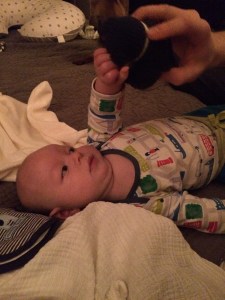
In the weeks following this appointment, we are continuing to see improvements in Sol’s vision. He is looking at us, his therapists, the dogs, and toys, and watching movement very consistently. The biggest development came today during our Physical Therapy appointment: Sol turned his head, looked at a toy that his therapist was presenting to him, and he reached out for it with his left hand. Multiple times.

It sounds like the littlest thing, but this was a huge first for Solly – particularly huge considering nearly 6 months ago, a fellow in the NICU told us that Sol could be blind as a result of his stroke. Our little man is continuing to show strength, will, and stubbornness, and we couldn’t be happier!

Hello, giraffe

Hello, giraffe

I think I will eat you!
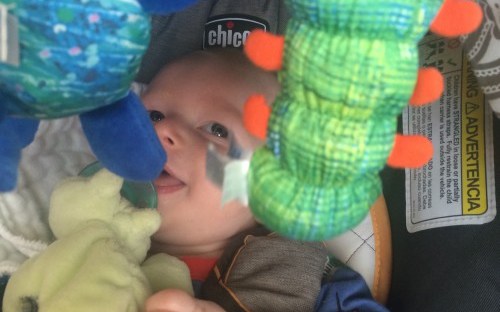
I think I will eat you!

Chugga Chugga

When I started running cross country in middle school, I remember learning to race uphill. My sister told me to envision a train going up each hill, and your arms were powering the engine with each swing – chugga, chugga, chugga, chugga.

This past month has felt very much like those hills, and every time I start to get tired, I think of that train and visualize pumping my arms to get up the hill.

I always like to end on a positive note, so I’ll start with the not-as-positives – those stinkin’ hills. With Sol’s 5 month birthday this week, we are starting to see some developmental delays. Nothing too surprising here – we knew the delays were just around the bend. Most of the delays are the result of his vision impairment: he still isn’t tracking consistently, doesn’t show a lot of visual engagement, is not reaching out for toys consistently, and the like. We are working with a vision therapist who is of the “wait and see” mindset, that Sol is still very young and his vision is still being wired. You may recall that we had a vision specialist come and determine that Sol likely has CVI. Our therapist isn’t convinced this is the case and thinks it could be related to motor control issues, which makes sense since his right side is the weaker side and he has trouble seeing out of the right side. I’ve also read about delayed visual maturation, which supposedly presents itself like CVI, but clears up by the end of the first year. While it’s not at the pace we’d like, Sol’s vision is slowly and continuously improving, so any of the diagnoses may apply. To help further diagnose his vision impairment, I am scheduling an appointment with a neuro-ophthamologist – for another opinion and hopefully some answers.

Sol’s growth has also slowed down. His head circumference is growing at a snail’s pace and he has not gained any weight in the last month. With the head growth, this isn’t much of a surprise considering the damage the stroke did to his brain, but we will continue to monitor the growth over the coming months. The latter may be due to a cold (his first cold!) that he picked up while traveling this month. As a result, he hasn’t been as interested in eating. We are heading to the pediatrician tomorrow to talk about colds, weight gain, and head sizes.

Ok, now the positive stuff. Sol is getting so strong! In the last week or so, he’s started controlling his head so well that we don’t need to support it as much when holding him. He now has enough strength in his trunk to stand a supported seated position for short periods of time. In tummy time, he’s pushing up on both arms (the left more so than the right) and is starting to relax and open his right hand more regularly. He continues to have good movement in all four limbs.

On the medical front, we had a follow up with hematology where he had his blood drawn, and they found his protein C and S levels to be stable. This means that we don’t need to worry about a blood clotting disorder. We will head back there in May for another round of testing to make sure that hasn’t changed. We also had a Neurology follow up, and because Sol has not had any seizures since last October, we can start letting him outgrow his seizure medication and completely wean him off of it by the time he’s one.

Most importantly, Sol is a very a smiley baby who loves to coo, laugh, and jibber jabber. We love watching him grow and make all sorts of new connections every day. Hopefully, these connections will continue and our journey will have a few less hills in it!


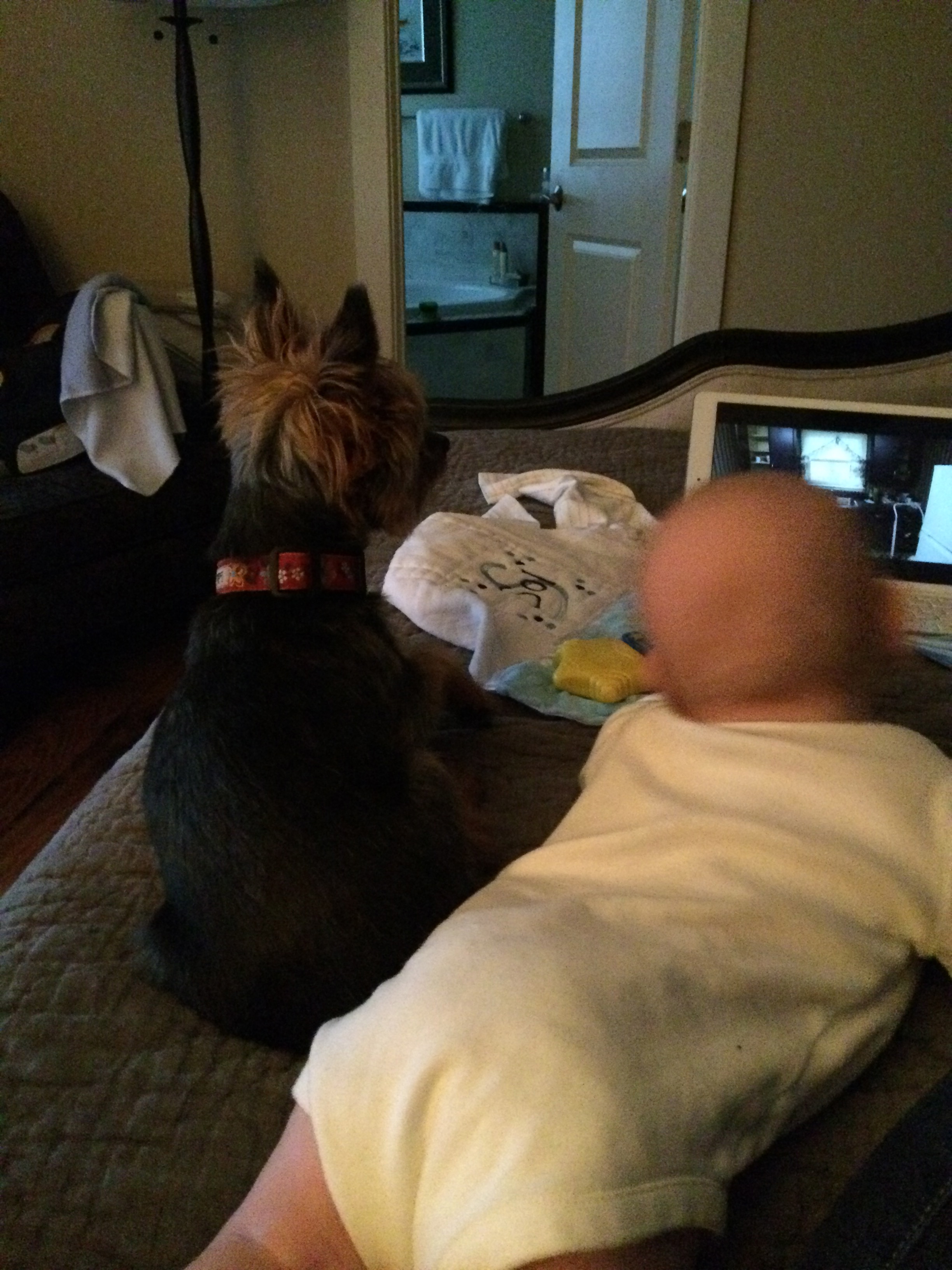
Puppies always make Sol feel better


Practicing looking & reaching


Hanging out at Uncle Ashley’s


Smiles forever!


One, Two, Three, Four

This post is slightly overdue, but I’ve spent so much time just enjoying Sol that I haven’t had as much time to sit and write. I can’t believe our little muffin turned four months old this past week! He spent it in the best way – being loved on by his grandparents, Bebe and Gramps, and his Auntie Jenn.

FullSizeRender (5)

Sol loves his Bebe!

FullSizeRender (4)

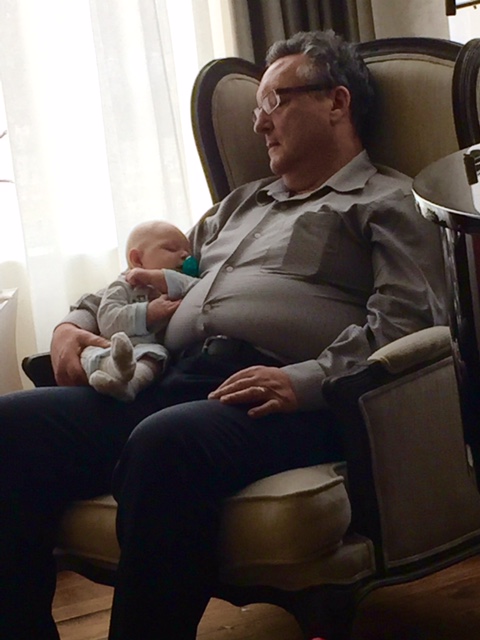
Snoozin’ with Gramps

Unfortunately, turning 4 months old means vaccinations, so Sol had to go to visit the pediatrician. The good news is that he is continuing to gain weight and grow, even jumping percentiles in height. Mike was out of town for work, so I dragged Sol’s Bebe along with me for moral support while Sol got his shots. I didn’t need it – Sol barely let out a cry when he got two shots in his legs and he was a happy camper most of the day.

Over in therapyland, we still have many of the same goals, but we are making great progress and are adding to them. In PT, we are working on strengthening Sol’s core muscles to help with his low tone and also balance out his very strong back muscles. We’ve been doing lots of tummy time, rolling, and exercises on a medicine ball for his core muscles. He’s doing a great job of engaging his core, particularly since he’s now always bringing his hands – and toys – to his mouth. These muscles will also help him gain even more control over his head, which he is starting to hold up on his own for short periods of time. We’ve just begun working on a supported seated position, which will continue to improve as Sol gets stronger.

IMG_1730

Bella gives lots of tummy time encouragement

IMG_1752

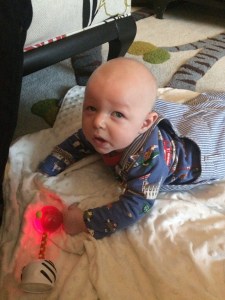
Lights!

In OT, we’re very focused on Sol’s right hand since it is his weaker side and he naturally holds it in a fist more often than his right. To help relax his hand, we’ve started using a Mckie Splint, which encourages him to hold out his thumb, relaxing the entire hand. Once his hand is open, we encourage him to use it to hold toys, reach, grab, and stretch.

Next week, we’ll be adding Vision Therapy to the mix, twice a month. I’m happy to report that Sol’s eyes are consistently moving to midline and to the right, and he’s starting to watch faces, toys, and other movement – a really positive step!

While I’m so excited by Sol’s progress in PT and OT and with his vision over the past month, I’m feeling even more accomplished because I have learned how to sit back and enjoy my baby. Previously, I was amped up by all the therapy we need to do and focused on milestones and where Sol was – and wasn’t – that I realized I was forgetting to enjoy my time with him. This is so unfortunate because he is one stinkin’ cute baby. Now, I am taking more time just to sit and chat (ok, more like “coo”) with him, which helps me realize what an amazing and handsome little guy he is. Life is good.

Giggles Abound!

Two nights ago, Mike and I were undressing Sol for his bath, and we heard it. Sol’s first giggle. He loves getting naked and always gives us a monster grin when we undress him, but the extra giggle, it just made our day. We’ve had a few more since then, usually while undressing or tickling him, and let me tell you – it is the most awesome sound ever!

Over the past two weeks, we’ve had a packed schedule. Five therapy sessions and three doctor’s appointments (one for me) made for a very tired Sol and Mama. In addition to his appointment with the vision specialist, Sol had a follow up with hematology. They had to draw blood to check his protein c and s levels to make sure that his stroke wasn’t caused by a clotting disorder. We should hear the results within the next couple of weeks, but I’m hopeful that we can cross hematology off our list of follow ups within the next few months.

We’ve got quite a few appointments next week – Physical Therapy – twice!, Occupational Therapy, a planning meeting for Vision Therapy, and his four-month check up at his pediatrician (including shots, ouch!). For now, we’re going to enjoy a weekend where the quiet is interrupted only by smiles and giggles.

Working that tummy time:
IMG_1769

Boy & dog:
IMG_1759

Sleepy time:
IMG_1764

Seeing Red

Despite what the title might suggest, this post isn’t about anger. It’s about seeing. Actual vision. Seeing red things.

Today, Dr. Newcomb with the University of Maryland’s Connections Beyond Sight and Sound came to our house to evaluate Sol’s functional vision. To be honest, I’ve been so nervous about this appointment and had a hard time sleeping last night. I think after going through an experience in the NICU like we did, I will always worry when new things could possibly pop up with Sol. While I’ve been anticipating and coming to terms with his possible vision impairment, I still felt very uneasy as this appointment approached.

The good news: Solly can see. And he’s eager to see. “Visually curious” is how Dr. Newcomb put it. Sol was napping when Dr. Newcomb arrived, so we sat down and I filled her in on Sol’s background. I let her know that while his eyes have always preferred the left side, more and more we’re seeing them dart around in all directions. He doesn’t focus on anything for very long and he rarely tracks, but sometimes we think he looks at his toys or the dogs, and he is definitely reaching for toys. She said that based on his background (the stroke) and some of his tendencies (not focusing, left-sided gaze), he is a likely candidate for CVI. At this point, since he’s only 3 months old, it’s too early to tell the degree of the CVI. We’ll have a formal evaluation when he’s 6 months old to understand its severity. However, there are some things we can do now to help his seemingly improving vision.

Once Sol woke up from his nap, we took him downstairs where there is less natural light and showed him the toys he typically plays with. Dr. Newcomb simply observed while he reached for his rattles and looked around the room. She then pulled out some “toys” from her bag – items that kiddos with CVI tend to respond to: red tube lighting, pom poms in red and yellow, and mylar paper in, you guessed it, red and yellow. (I mentioned in my last post that CVI kids can see reds and yellows best.) And, boy, did he respond. He gazed at each item and cooed, especially at the lights. She presented the items to his left side, which is where we saw the most engagement. She then presented them to his right side and he tried so hard to move his head and look at them. When I adjusted his head to look to the right, he had a much easier time shifting his eyes to the right to look at each object. It was so encouraging hearing Dr. Newcomb confirm that he was, in fact, able to see and look at each item. Not only that, but there is an actionable plan to help our “visually curious” baby improve his vision over time.

Our homework: We are to incorporate objects that Sol looks at into our daily routines so he has practice seeing throughout the day. Using his vision takes a lot out of him so, unlike physical and occupational therapy, we’ll help improve his vision more if we don’t set aside dedicated time to practice it. We also need to present these objects against a simple background. For kids with CVI, looking at objects against a patterned background makes it look like a “Where’s Waldo” illustration: it’s hard for them to focus on one object at a time. As his vision improves, we’ll be able to incorporate more objects and more patterns.

Next steps: Dr. Newcomb is going to prepare a report of Sol’s evaluation for us to share with our team of therapists so they can incorporate visual techniques into sessions where vision is super important, like tummy time and practicing reaching with his right hand. Then, when he turns 6 months old, we’ll meet with Dr. Newcomb again for a formal CVI evaluation against set criteria, where each criteria is on a scale from 0 (not able to see) to 10 (normal vision). We’ll then work to get each criteria to 10.

I am relieved this appointment went so well. Dr. Newcomb mentioned that early intervention with vision is important and usually has great results, particularly for kids that are eager to learn to use their eyesight (like Sol!). She’s worked with many children who are now in mainstream school and can see and read just like their peers. Based on Sol’s improvements with his vision already, we can only hope and strive for him to have great results.

(If you’re interested in learning more about CVI, I’ve listed some articles and websites on the Resources page and will continue to add to it as we continue our journey.)

This seeing thing is tiring stuff:

IMG_1738